
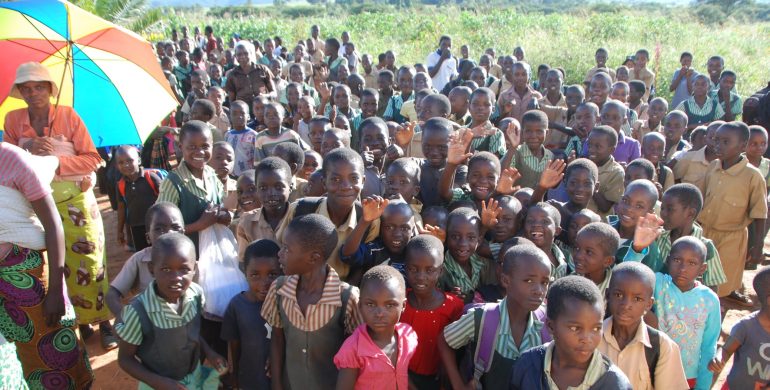
Food is only one part of a child’s wellbeing. For orphans and vulnerable children in Zimbabwe, clean water, education and basic healthcare are just as critical.
That’s why Shuva Foundation’s vision goes beyond food relief and farming. Together with local partner Youth With a Vision, the foundation is working towards a network of infrastructure projects designed to support whole communities for years to come.
Why infrastructure matters
Short-term aid is vital in a crisis—but long-term change comes when communities have:
- Safe water close to where they live
- Schools where children can learn without walking long distances
- Clinics where they can see a doctor or nurse when they are sick
These projects create environments where orphaned and vulnerable children can not only survive, but actually grow, learn and thrive.
Clean water: Boreholes and solar pumps
In many rural areas, families walk long distances to fetch water—often from unsafe sources. This puts children at risk of waterborne disease and robs them of time that could be spent in school.
Shuva Foundation supports borehole and solar pump projects that provide:
- Reliable access to clean, safe water
- A header tank and piping to distribute water for drinking, cooking and irrigation
- Direct support for food projects like vegetable gardens and chicken or fish farms
Each equipped borehole becomes a lifeline for a community—improving health, supporting agriculture and reducing the burden on women and children who typically collect water.
Building schools where children live
For many orphaned children, attending school is not as simple as walking down the road. Schools can be far away, overcrowded or unaffordable. Shuva Foundation’s vision includes simple but effective school infrastructure in rural communities.
This can include:
- Converting shipping containers into basic classrooms
- Developing a small cluster of classrooms and facilities to serve local children
- Creating safe, accessible spaces where children can learn without dangerous travel
The goal is to keep children in their communities, with the support of local caregivers, while still giving them access to education.
Medical clinics: Bringing care closer to home
Access to healthcare is another critical need. Many orphans and vulnerable children live far from hospitals or doctors, and transport is often expensive or unavailable.
Shuva Foundation’s vision includes establishing simple medical clinics that can:
- Serve as a base for visiting doctors and nurses
- Provide a place for basic treatment, check-ups and vaccinations
- Offer a hub for humanitarian aid and health education
Even a modest clinic can dramatically improve outcomes for a whole region, especially for children who are already vulnerable due to the impact of HIV/AIDS in their families.
How businesses and donors can partner
Infrastructure projects are ideal for partnerships with:
- Businesses looking for meaningful CSR projects
- Community groups, schools and churches
- Individual donors wanting to fund a large, tangible project
Because projects like boreholes, schools and clinics come with clear cost ranges, partners can see exactly what their investment is achieving—from the first drilled borehole to the first class of children in a new classroom.
Partnership opportunities include:
- Sponsoring a borehole and solar pump for a community
- Funding a set of container classrooms or a basic school layout
- Supporting the setup of a community medical clinic
A shared vision for lasting change
At its core, Shuva Foundation exists to restore hope and dignity to children orphaned by HIV/AIDS in Zimbabwe. By combining food security projects with water, school and clinic initiatives, the foundation is helping to build communities where vulnerable children can look forward to more than just survival.
Looking for a project to support?
If you or your organisation would like to partner on a borehole, school or clinic project, Shuva Foundation would love to talk with you about the needs on the ground and the impact your support can have.
